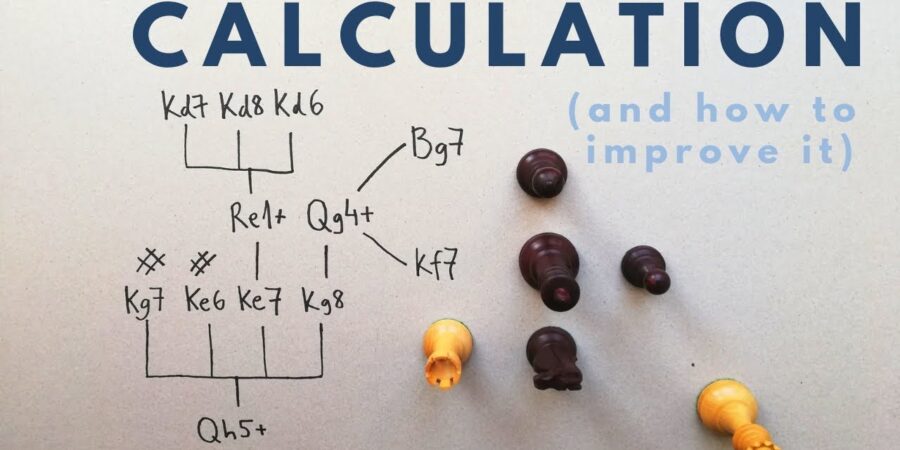
Calculating effectively in chess involves systematic thinking, visualization, and evaluating concrete variations rather than relying on intuition alone. The core process includes identifying candidate moves, calculating forcing sequences (checks, captures, threats), anticipating your opponent’s best replies, and visualizing the resulting positions accurately. Below is a structured table with 10 practical examples illustrating key calculation principles used by strong players. Each example highlights a specific technique to