The Economics of Owning a Pentesting Company cipads freeads in the news

The Economics of Owning a Pentesting Company

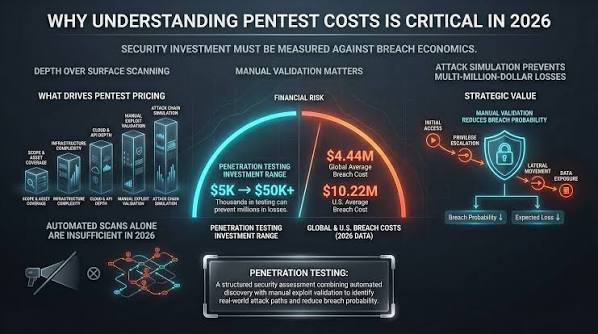
The economics of owning a penetration testing company are defined by high-margin, low-volume services driven by tester-days as the primary cost unit. A senior pen tester in the US or EU costs $1,200–$2,000 per day fully loaded, while juniors cost $400–$700, establishing the baseline for pricing tiers. Pricing Tiers and Market Positioning Operational Costs and
The Economics of Owning a Cybersecurity Company cipads freeads in the news

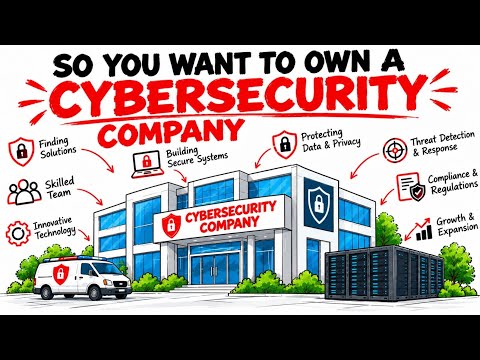
The Economics of Owning a Cybersecurity Company

Owner income for a cybersecurity business typically starts with a base salary of $180,000+, with potential upside reaching $6.09 million in EBITDA by Year 5. The business faces significant early losses, with Year 1 EBITDA at -$578,000, before reaching breakeven in Month 22. Net margins are high, ranging from 80% to 86% once operations are

The Economics of Owning a SAAS Software Company cipads freeads in the news

The Economics of Owning a “SAAS” Software Company

The economics of owning a SaaS company are defined by high gross margins (typically 75–85%) and recurring revenue, which create significant operating leverage and allow for premium valuation multiples. Once initial development costs are absorbed, incremental customer acquisition adds minimal expense, transforming modest revenue growth into exponential profitability. However, this model requires navigating the “Triangle

The Economics of Owning a Software Company cipads freeads in the news

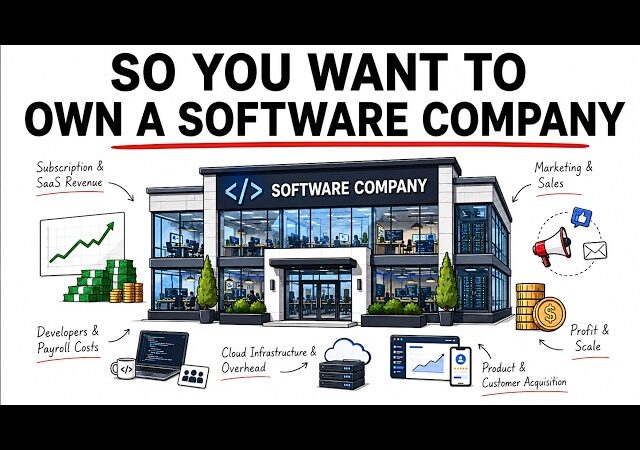
The Economics of Owning a Software Company

Owning a software company is defined by a distinctive cost structure: high fixed costs (R&D, engineering, infrastructure) and near-zero marginal cost per additional user. This creates gross margins of 70–90% for SaaS firms—roughly double the S&P 500 average of ~40–45%—but the average SaaS company still posts a negative ~11% operating margin because of heavy sales,

The Economics of Owning a Private Equity Firm Explained cipads freeads in the news

The Economics of Owning a Private Equity Firm Explained

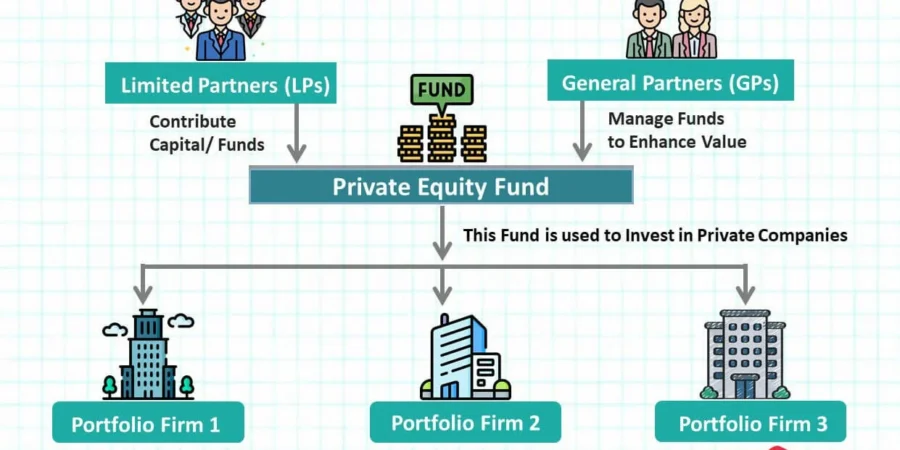
The economics of owning a private equity firm are primarily driven by the “2 and 20” fee structure, which consists of an annual management fee and a performance-based profit share known as carried interest. What Does The KJV Bible Say? The economics of owning a private equity (PE) firm revolve around structural leverage, asymmetric risk-reward,

Building a Holding Company Nobody Knows You Own — $0 to $1 Billion, Level by Level cipads freeads in the news

POV: Building a Holding Company Nobody Knows You Own — $0 to $1 Billion, Level by Level

That’s a YouTube video by frankiefinance (uploaded Sept 17, 2026), a companion to his book “POV: $0 to $500M, Level by Level.” It extends the level-by-level holding-company arc to $1 billion, following a fictional “silent” owner who builds a portfolio of boring, cash-flowing businesses (roofing, HVAC, plumbing, pest control, etc.) through six stages: Level Role

How Private Equity Actually Makes Money (The Full Breakdown) cipads freeads in the news

How Private Equity Actually Makes Money (The Full Breakdown)

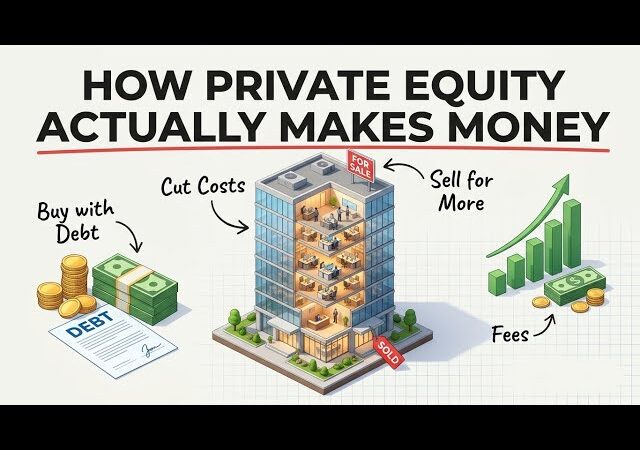
Private equity firms generate revenue through a dual structure known as the “2 and 20” model, consisting of steady management fees and performance-based carried interest. Management Fees Carried Interest (Carry) Value Creation LeversTo generate the profits required for carried interest, firms use three main levers to increase the value of acquired companies: Additional Revenue Streams

The Economics Of Owning a Holding Company cipads freeads in the news

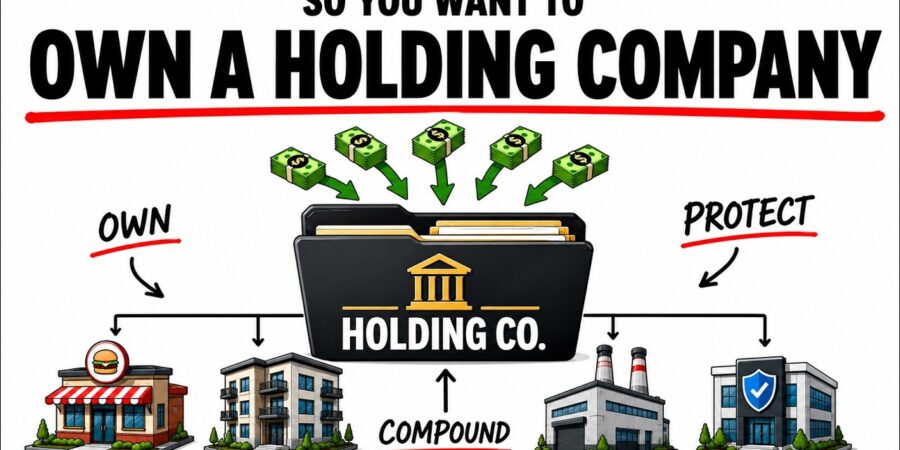
The Economics Of Owning a Holding Company

The economics of owning a holding company centers on maximizing value through strategic asset control, tax efficiency, and risk segregation. By owning controlling stakes rather than 100% of subsidiaries, a holding company can control assets at a lower capital cost while isolating liabilities within individual operating entities to protect the broader corporate group. Key Economic

Current Situation Of PHP And Cybersecurity cipads freeads in the news

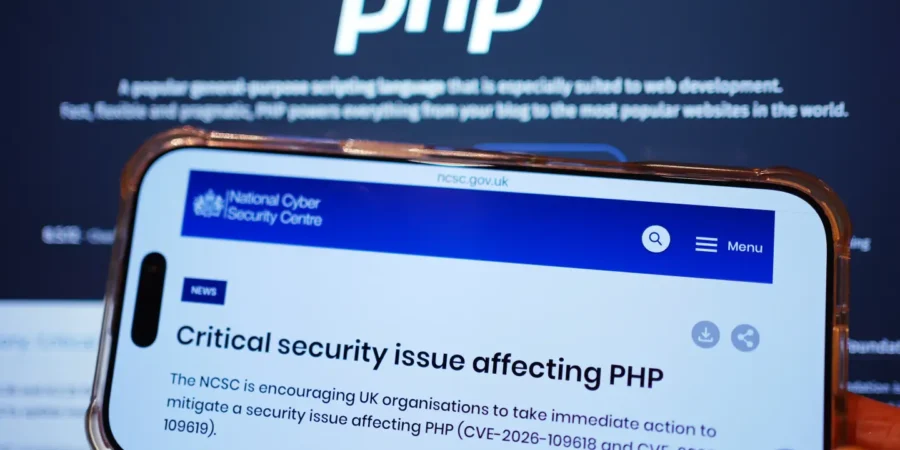
Current Situation Of PHP And Cybersecurity

PHP security is currently in a post-crisis patching phase following the discovery of two critical vulnerabilities, collectively known as PHP2Shell, which were disclosed in late October 2026. These flaws, identified as CVE-2026-109618 and CVE-2026-109619, reside in PHP’s memory management and error handling systems, affecting nearly every web request on servers running the language since PHP

The Secret Deal with Satan That Changed America Forever video review cipads freeads in the news

The Secret Deal with Satan That Changed America Forever video review

What the video is: A book-promotion interview on the Jack Hibbs Podcast, uploaded to YouTube on August 20, 2026. Pastor Jack Hibbs interviews Dr. Erwin Lutzer about Lutzer’s new book Marx and Moody: Two Contemporaries. Two Gospels. Two Tombstones. One Choice (co-authored with Gregg Quiggle, published by Moody Publishers on Sept 1, 2026). Content: The