
The economics of owning a private equity firm are primarily driven by the “2 and 20” fee structure, which consists of an annual management fee and a performance-based profit share known as carried interest. What Does The KJV Bible Say? The economics of owning a private equity (PE) firm revolve around structural leverage, asymmetric risk-reward,
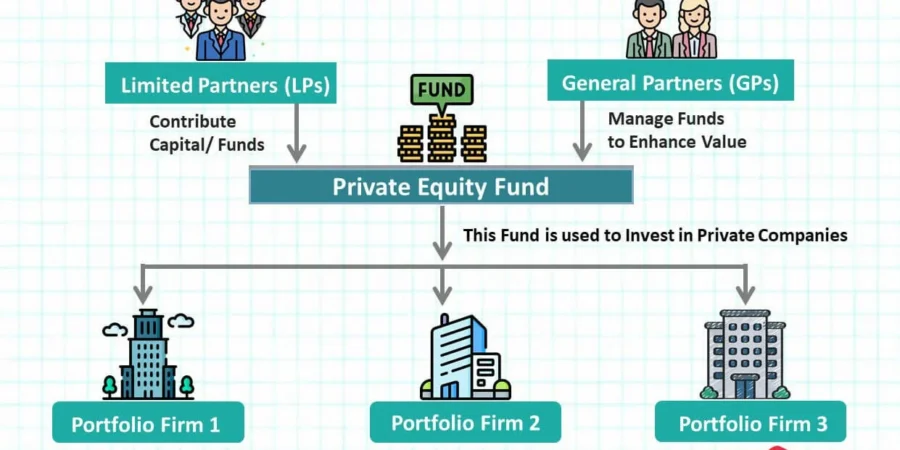
How Private Equity Actually Makes Money (The Full Breakdown)
Private equity firms generate revenue through a dual structure known as the “2 and 20” model, consisting of steady management fees and performance-based carried interest. Management Fees Carried Interest (Carry) Value Creation LeversTo generate the profits required for carried interest, firms use three main levers to increase the value of acquired companies: Additional Revenue Streams
The Economics Of Owning a Holding Company
The economics of owning a holding company centers on maximizing value through strategic asset control, tax efficiency, and risk segregation. By owning controlling stakes rather than 100% of subsidiaries, a holding company can control assets at a lower capital cost while isolating liabilities within individual operating entities to protect the broader corporate group. Key Economic
Current Situation Of PHP And Cybersecurity
PHP security is currently in a post-crisis patching phase following the discovery of two critical vulnerabilities, collectively known as PHP2Shell, which were disclosed in late October 2026. These flaws, identified as CVE-2026-109618 and CVE-2026-109619, reside in PHP’s memory management and error handling systems, affecting nearly every web request on servers running the language since PHP