The 12 Timeless Jewish Money Secrets Full Audiobook cipads freeads in the news

The 12 Timeless Jewish Money Secrets Video Review

The frameworks behind cultural financial resilience offer profound insights when cross-examined through theology, behavioral economics, and personality theory. The “12 Timeless Jewish Money Secrets” synthesize historical practices of asset diversification, intergenerational stewarding, and purposeful charity into a structural wealth ecosystem. Evaluating these principles alongside King James Version (KJV) scripture allows for a clear comparison between


How the Rich Actually Make Money (24 Rules of Money Explained) Video Review cipads freeads in the news

How the Rich Actually Make Money (24 Rules of Money Explained) Video Review

The popular financial thesis “How the Rich Actually Make Money (24 Rules of Money Explained)” challenges standard consumer habits and argues that wealth is built by mastering objective operational frameworks rather than relying on raw physical labor alone. Rather than viewing financial accumulation purely through a contemporary secular lens, this review evaluates these mechanics through

How Smart People Use Loans to Build Wealth Make the Bank Work for You Video Review cipads freeads in the news

How Smart People Use Loans to Build Wealth | Make the Bank Work for You Video Review

This video promotes the “buy, borrow, die” leverage strategy: use low-interest loans to acquire income-producing assets (rental properties, businesses), let tenants/cash flow pay the debt, retain 100% of appreciation, and avoid selling (thus avoiding capital gains tax). Core thesis: the bank’s money builds your equity. KJV Verses Applied to the Video’s Claims (10 Examples) #

The Psychology of Wealth Building (Book Summary) – How Rich People Think Video Review cipads freeads in the news

The Psychology of Wealth Building (Book Summary) – How Rich People Think Video Review

The information provided is for informational and educational purposes only and does not constitute financial, investment, tax, or legal advice. Note: We do use YouTube Video’s under the “Fair Use” Act under the Copyright Law: “Fair use is a doctrine in the United States copyright law codified in Section 107 of the Copyright Act of 1976.1 It

The Economics of Owning a Pentesting Company cipads freeads in the news

The Economics of Owning a Pentesting Company

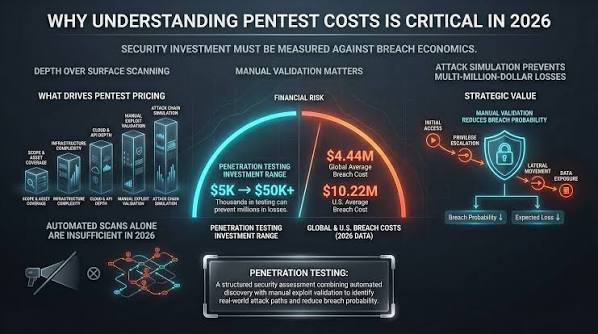
The economics of owning a penetration testing company are defined by high-margin, low-volume services driven by tester-days as the primary cost unit. A senior pen tester in the US or EU costs $1,200–$2,000 per day fully loaded, while juniors cost $400–$700, establishing the baseline for pricing tiers. Pricing Tiers and Market Positioning Operational Costs and

The Economics of Owning a Cybersecurity Company cipads freeads in the news

The Economics of Owning a Cybersecurity Company

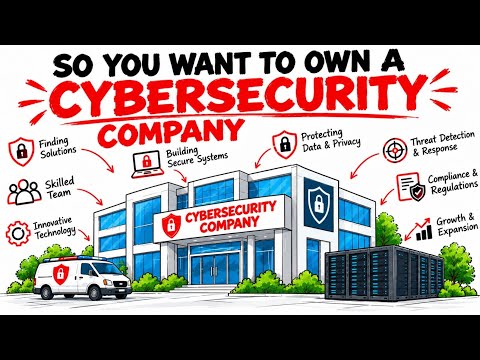
Owner income for a cybersecurity business typically starts with a base salary of $180,000+, with potential upside reaching $6.09 million in EBITDA by Year 5. The business faces significant early losses, with Year 1 EBITDA at -$578,000, before reaching breakeven in Month 22. Net margins are high, ranging from 80% to 86% once operations are

The Economics of Owning a SAAS Software Company cipads freeads in the news

The Economics of Owning a “SAAS” Software Company

The economics of owning a SaaS company are defined by high gross margins (typically 75–85%) and recurring revenue, which create significant operating leverage and allow for premium valuation multiples. Once initial development costs are absorbed, incremental customer acquisition adds minimal expense, transforming modest revenue growth into exponential profitability. However, this model requires navigating the “Triangle

The Economics of Owning a Software Company cipads freeads in the news

The Economics of Owning a Software Company

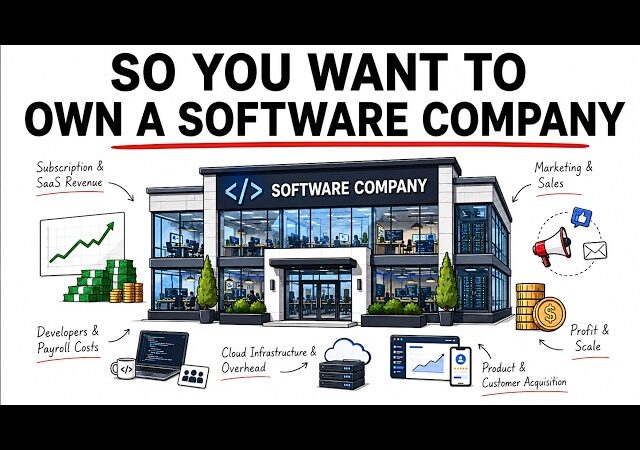
Owning a software company is defined by a distinctive cost structure: high fixed costs (R&D, engineering, infrastructure) and near-zero marginal cost per additional user. This creates gross margins of 70–90% for SaaS firms—roughly double the S&P 500 average of ~40–45%—but the average SaaS company still posts a negative ~11% operating margin because of heavy sales,

The Economics of Owning a Private Equity Firm Explained cipads freeads in the news

The Economics of Owning a Private Equity Firm Explained

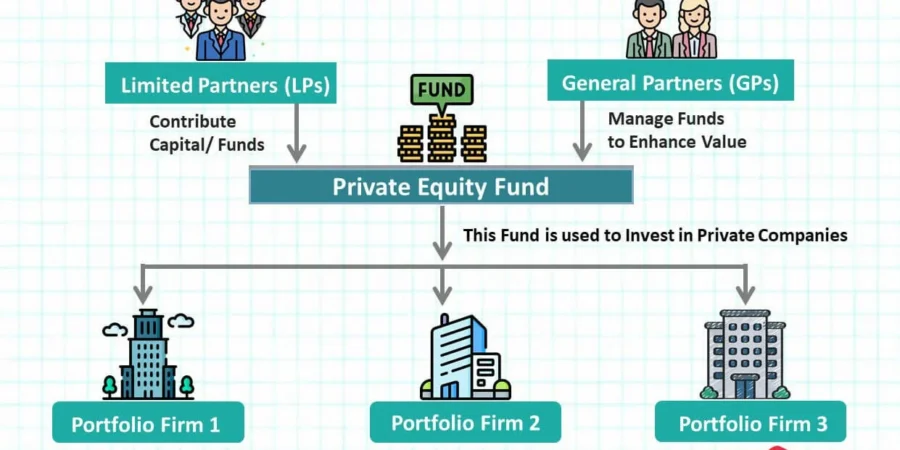
The economics of owning a private equity firm are primarily driven by the “2 and 20” fee structure, which consists of an annual management fee and a performance-based profit share known as carried interest. What Does The KJV Bible Say? The economics of owning a private equity (PE) firm revolve around structural leverage, asymmetric risk-reward,

Building a Holding Company Nobody Knows You Own — $0 to $1 Billion, Level by Level cipads freeads in the news

POV: Building a Holding Company Nobody Knows You Own — $0 to $1 Billion, Level by Level

That’s a YouTube video by frankiefinance (uploaded Sept 17, 2026), a companion to his book “POV: $0 to $500M, Level by Level.” It extends the level-by-level holding-company arc to $1 billion, following a fictional “silent” owner who builds a portfolio of boring, cash-flowing businesses (roofing, HVAC, plumbing, pest control, etc.) through six stages: Level Role