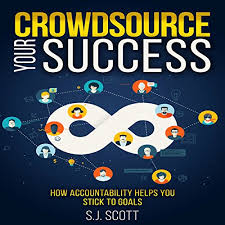
Crowdsource Your Success Audiobook by S.J. Scott Video Review cipads freeads in the news

Crowdsource Your Success Audiobook by S.J. Scott Video Review

“Crowdsource Your Success” by S.J. Scott focuses on accountability, peer groups, and leveraging community to achieve personal goals. When evaluated through biblical, psychological, and theological lenses, the concept of accountability shifts from a modern self-help technique to a deeply spiritual and psychological framework. Below is a comprehensive analysis of the book’s core themes using KJV

Within You Is the Power Audiobook by Henry Thomas Hamblin

“Within You Is the Power” by Henry Thomas Hamblin is a foundational New Thought classic published in 1921. It argues that humans possess a dormant, infinite spiritual power capable of overcoming adversity, shaping reality through focused thought, and aligning with a universal divine source. This analysis evaluates the audiobook’s themes against orthodox Christian theology using

The 12 Timeless Jewish Money Secrets Full Audiobook cipads freeads in the news

The 12 Timeless Jewish Money Secrets Video Review

The frameworks behind cultural financial resilience offer profound insights when cross-examined through theology, behavioral economics, and personality theory. The “12 Timeless Jewish Money Secrets” synthesize historical practices of asset diversification, intergenerational stewarding, and purposeful charity into a structural wealth ecosystem. Evaluating these principles alongside King James Version (KJV) scripture allows for a clear comparison between

How the Rich Actually Make Money (24 Rules of Money Explained) Video Review cipads freeads in the news

How the Rich Actually Make Money (24 Rules of Money Explained) Video Review

The popular financial thesis “How the Rich Actually Make Money (24 Rules of Money Explained)” challenges standard consumer habits and argues that wealth is built by mastering objective operational frameworks rather than relying on raw physical labor alone. Rather than viewing financial accumulation purely through a contemporary secular lens, this review evaluates these mechanics through

How Smart People Use Loans to Build Wealth Make the Bank Work for You Video Review cipads freeads in the news

How Smart People Use Loans to Build Wealth | Make the Bank Work for You Video Review

This video promotes the “buy, borrow, die” leverage strategy: use low-interest loans to acquire income-producing assets (rental properties, businesses), let tenants/cash flow pay the debt, retain 100% of appreciation, and avoid selling (thus avoiding capital gains tax). Core thesis: the bank’s money builds your equity. KJV Verses Applied to the Video’s Claims (10 Examples) #

The Psychology of Wealth Building (Book Summary) – How Rich People Think Video Review cipads freeads in the news

The Psychology of Wealth Building (Book Summary) – How Rich People Think Video Review

The information provided is for informational and educational purposes only and does not constitute financial, investment, tax, or legal advice. Note: We do use YouTube Video’s under the “Fair Use” Act under the Copyright Law: “Fair use is a doctrine in the United States copyright law codified in Section 107 of the Copyright Act of 1976.1 It

The Economics of Owning a Pentesting Company cipads freeads in the news

The Economics of Owning a Pentesting Company

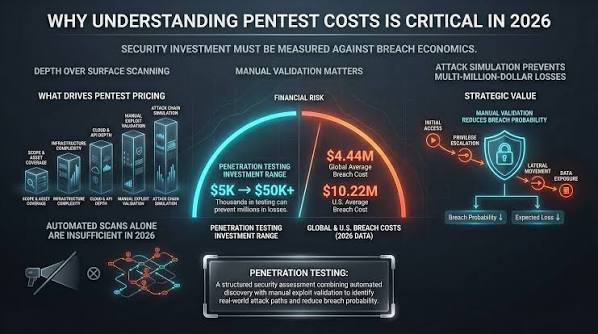
The economics of owning a penetration testing company are defined by high-margin, low-volume services driven by tester-days as the primary cost unit. A senior pen tester in the US or EU costs $1,200–$2,000 per day fully loaded, while juniors cost $400–$700, establishing the baseline for pricing tiers. Pricing Tiers and Market Positioning Operational Costs and

The Economics of Owning a Cybersecurity Company cipads freeads in the news

The Economics of Owning a Cybersecurity Company

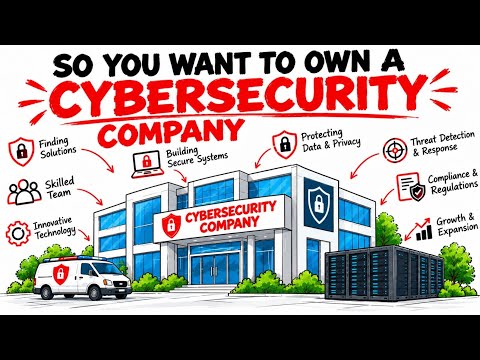
Owner income for a cybersecurity business typically starts with a base salary of $180,000+, with potential upside reaching $6.09 million in EBITDA by Year 5. The business faces significant early losses, with Year 1 EBITDA at -$578,000, before reaching breakeven in Month 22. Net margins are high, ranging from 80% to 86% once operations are

The Economics of Owning a Software Company cipads freeads in the news

The Economics of Owning a Software Company

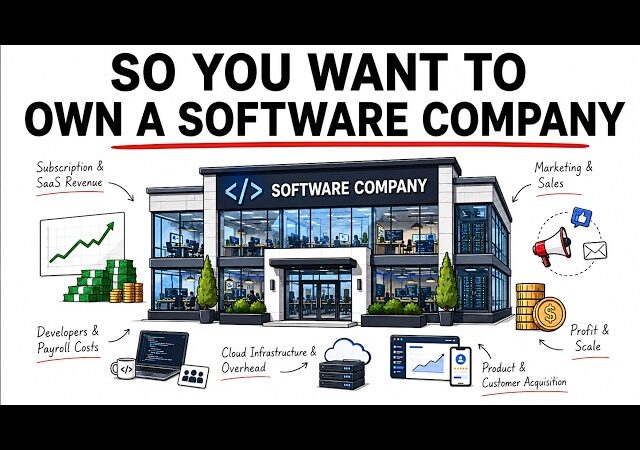
Owning a software company is defined by a distinctive cost structure: high fixed costs (R&D, engineering, infrastructure) and near-zero marginal cost per additional user. This creates gross margins of 70–90% for SaaS firms—roughly double the S&P 500 average of ~40–45%—but the average SaaS company still posts a negative ~11% operating margin because of heavy sales,